The FIFA World Cup 2026 is expected to become the biggest tournament in football history. With 48 national teams competing across three host countries, fans are not only excited about the matches but also curious about the FIFA World Cup 2026 prize money.
Every edition of the World Cup brings larger financial rewards, and the 2026 tournament is expected to set another record. National football associations receive prize money based on how far they progress, while players may also earn bonuses from their own federations.
In this guide, you’ll learn everything about the FIFA World Cup Prize Money 2026, including the expected total prize pool, winner’s payout, distribution system, player bonuses, and how it compares with previous tournaments.
What Is the FIFA World Cup Prize Money 2026?
The FIFA World Cup Prize Money 2026 refers to the total amount of money that FIFA distributes among participating national teams according to their final tournament positions. Try this Soccer Legend.
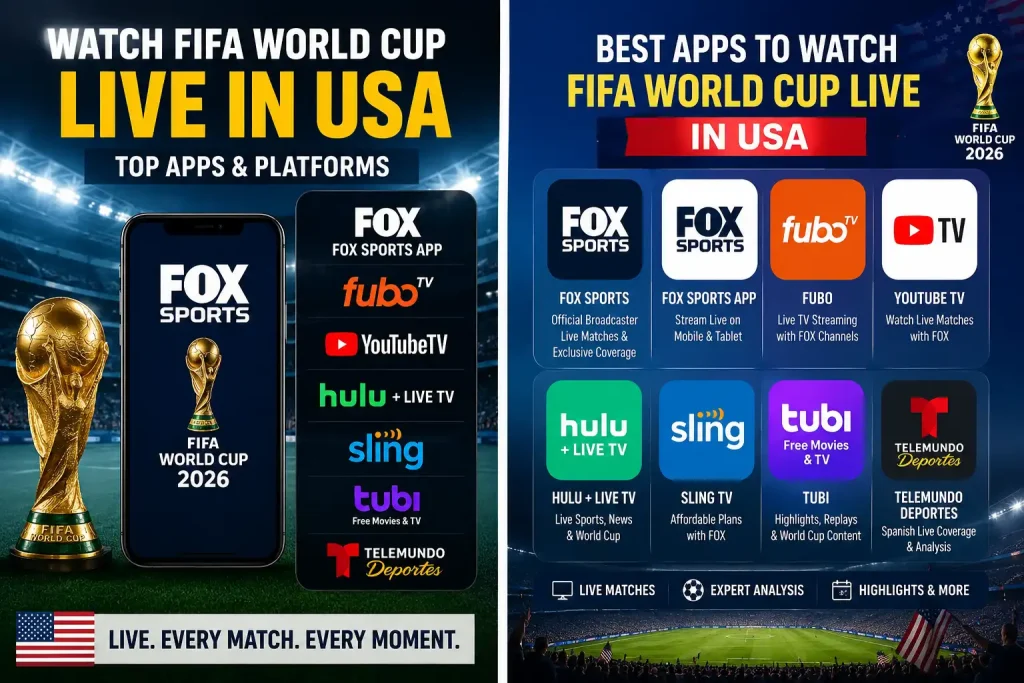
Although FIFA had not officially confirmed the complete prize structure at the time of writing, football experts expect the overall prize fund to increase compared to the 2022 World Cup because:
- The tournament has expanded from 32 teams to 48 teams.
- More matches will be played.
- FIFA expects higher broadcasting income.
- Sponsorship and commercial partnerships continue to grow.
- Ticket sales are projected to reach record levels.
This means more teams will receive financial rewards, and the tournament winner could earn the largest World Cup prize ever awarded.
Expected FIFA World Cup 2026 Prize Pool
While FIFA has not yet released the official figures, many analysts believe the total prize pool could exceed $500 million, making it the biggest prize fund in World Cup history.
An estimated breakdown could look like this:
| Tournament Finish | Expected Prize Money |
| Champions | $50–60 Million |
| Runners-up | $35–45 Million |
| Third Place | $28–35 Million |
| Fourth Place | $22–28 Million |
| Quarterfinalists | $15–20 Million |
| Round of 16 | $10–15 Million |
| Group Stage Teams | Participation reward |
These numbers are estimates until FIFA officially announces the final distribution.
Why the Prize Money Is Increasing?
Several major factors are pushing the prize fund higher than ever before.
More Participating Teams
The 2026 tournament features 48 national teams, giving more countries the chance to compete. FIFA therefore needs a larger financial pool to reward every participating nation.
Higher Tournament Revenue
The World Cup generates billions of dollars through:
- Television broadcasting rights
- Sponsorship agreements
- Stadium ticket sales
- Merchandise
- Digital media
- Streaming partnerships
As FIFA earns more income, part of that revenue is shared with participating teams.
More Matches
The expanded format includes significantly more matches than previous tournaments, creating greater commercial opportunities and increasing tournament earnings.
How FIFA Distributes Prize Money?
Prize money is not shared equally among all teams.
Instead, FIFA rewards nations based on tournament performance.
Generally, the system works like this:
Participation Payment
Every qualified nation receives a guaranteed financial payment simply for qualifying and participating.
This helps football federations recover expenses related to:
- Training camps
- International travel
- Accommodation
- Staff salaries
- Team preparation
- Equipment
Knockout Round Rewards
Teams that advance beyond the group stage receive additional prize money.
Each round reached increases the financial reward.
For example:
- Round of 32
- Round of 16
- Quarterfinals
- Semifinals
- Final
The deeper a nation progresses, the larger its payment becomes.
Champions Receive the Largest Share
The World Cup winners receive the biggest financial reward.
Besides the trophy, the champions take home millions of dollars that can support football development within their country for years.
Do Players Receive Prize Money?
Technically, FIFA pays prize money to each country’s football association—not directly to players.
However, most national football federations reward players through performance bonuses.
These bonuses depend on:
- Federation policies
- Sponsorship agreements
- Contract terms
- Tournament success
Some players may receive:
- Winning bonuses
- Match bonuses
- Qualification bonuses
- Goal bonuses
- Performance incentives
Because each country has different agreements, player earnings vary significantly.
FIFA World Cup Prize Money History
The World Cup prize fund has increased steadily over the years.
| Tournament | Total Prize Pool |
| 2006 | Approximately $266 Million |
| 2010 | Approximately $420 Million |
| 2014 | Approximately $576 Million |
| 2018 | Approximately $791 Million (including club benefits and preparation funds) |
| 2022 | Approximately $440 Million in direct team prize money |
| 2026 | Expected to exceed previous direct prize distributions |
The steady growth reflects football’s increasing popularity around the world.
Benefits Beyond Prize Money
National teams gain much more than tournament payouts.
Participating in the FIFA World Cup brings additional financial opportunities.
Sponsorship Growth
Strong performances often attract:
- New sponsors
- Commercial partnerships
- Endorsement deals
These agreements can generate millions in additional revenue.
Increased Merchandise Sales
Successful teams often experience higher demand for:
- Jerseys
- Scarves
- Football kits
- National team merchandise
Fans proudly support their countries throughout the tournament.
Tourism and Economic Impact
Countries that perform well often enjoy increased international attention, boosting tourism and national branding.
How Host Nations Benefit Financially
The United States, Canada, and Mexico are hosting the 2026 World Cup.
Although host countries do not receive FIFA prize money simply for hosting, they benefit through:
- Tourism
- Hotel bookings
- Local businesses
- Transportation
- Stadium events
- International exposure
- Employment opportunities
The economic impact is expected to reach billions of dollars.
Which Teams Could Earn the Most?
Traditionally, football powerhouses have the strongest chances of reaching the final stages.
Some leading contenders include:
- Argentina
- France
- Brazil
- England
- Spain
- Germany
- Portugal
If these teams reach the semifinals or final, they could receive the largest financial rewards.
However, every World Cup produces surprises, and emerging nations now have more opportunities thanks to the expanded 48-team format.
Does FIFA Share Money With Clubs?
Yes.
FIFA also operates a Club Benefits Programme, which compensates football clubs for releasing players to participate in the World Cup.
This payment is separate from the national team prize money and rewards clubs that contribute players to the tournament.
The system supports clubs whose players spend weeks representing their countries.
How National Federations Use Prize Money?
Football associations usually reinvest tournament earnings into long-term football development.
FIFA World Cup Live USA
Common uses include:
- Youth academies
- Women’s football
- Grassroots programs
- Coach education
- Stadium improvements
- Player development
- Training facilities
For many developing football nations, World Cup earnings help strengthen the sport for future generations.
Could the 2026 Winner Receive a Record Prize?
Many football analysts believe the answer is yes.
Because the tournament includes:
- More teams
- More matches
- Higher commercial revenue
- Expanded global broadcasting
- Record sponsorship deals
the winning nation could receive the largest direct World Cup championship payout in history once FIFA confirms the official figures.
Frequently Asked Questions
FIFA has not officially announced the final prize distribution. However, many experts expect the overall prize pool to be larger than previous editions because of the expanded 48-team format.
Yes. Every qualified nation normally receives participation funding, while teams advancing further earn additional financial rewards.
FIFA pays the prize money to each national football association. Players may receive bonuses from their own federation depending on existing agreements.
Most likely. The expanded tournament and increased commercial revenue are expected to result in a larger reward for the champions, although FIFA has not yet confirmed the exact amount.
No. Player bonuses are handled separately by each country’s football federation and are not part of FIFA’s official prize distribution.
Final Thoughts
The FIFA World Cup Prize Money 2026 is expected to reach new heights as the tournament expands to 48 teams and generates record-breaking global revenue. While FIFA has yet to announce the official payout structure, it is widely anticipated that participating nations will receive higher rewards than in previous editions.
Beyond the financial prizes, the tournament offers long-term value through global recognition, sponsorship opportunities, football development, and economic benefits. As excitement builds toward the 2026 World Cup, fans and national teams alike will be watching closely for FIFA’s official announcement of the complete prize money breakdown.