Gaming has become one of the most popular activities in the world. From kids to adults, millions of people play games every day on mobile phones, computers, and consoles. Online games, especially multiplayer and battle royale games, are growing very fast. But with this growth, one important question comes into mind: Are Games Are Safe?
Many players download games from different websites, use gaming tools, or play online with strangers. While gaming is fun and exciting, it also comes with some risks. These risks can affect your personal data, your device, and even your gaming account.
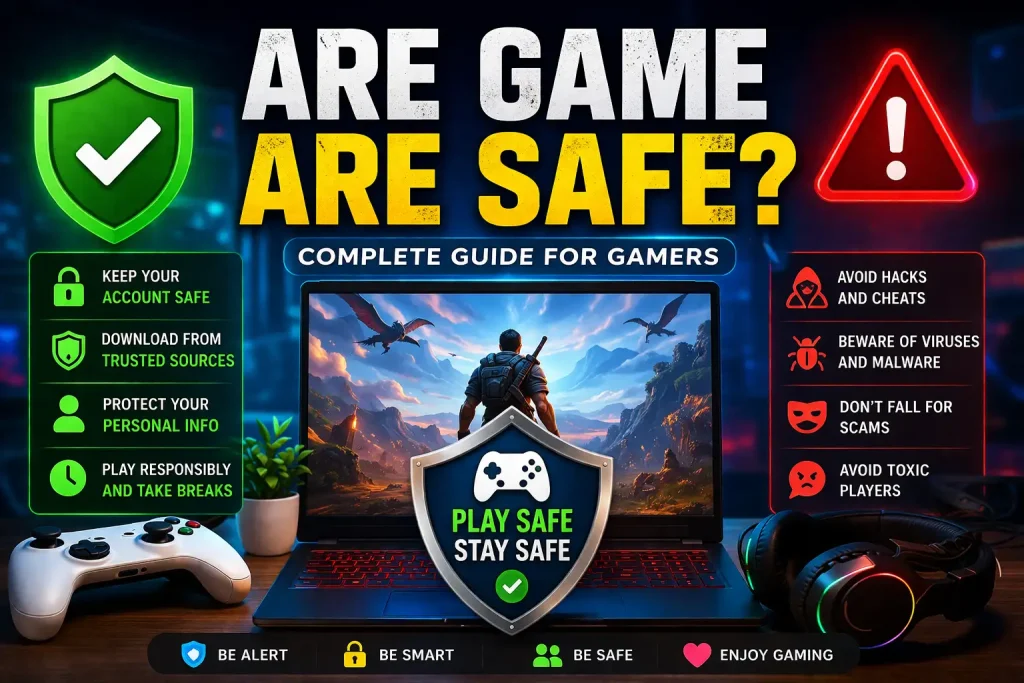
In this article, we will explain everything in simple words. You will learn about game safety, possible risks, how to stay safe, and what you should avoid. This guide is perfect for beginners and regular gamers who want to enjoy games without problems.
What Does Game Safety Mean?
Game safety means playing games in a way that does not harm you, your device, or your personal information. A safe game protects your data, respects your privacy, and does not include harmful content.
There are different parts of game safety:
- Personal Safety – Protecting your identity and private information
- Device Safety – Keeping your phone or computer safe from viruses
- Account Safety – Protecting your gaming account from hackers
- Mental Safety – Avoiding harmful or addictive gaming habits
When people ask Are Games Are Safe, they usually want to know if they can play without facing these problems.
Why People Are Concerned About Game Safety
Many gamers are worried about safety because of real issues happening online. Not all games are safe, and not all platforms follow proper rules.
Here are some common concerns:
1. Online Scams
Some games or websites trick users into giving personal information or money.
2. Fake Downloads
Downloading games from unknown sources can install viruses or malware.
3. Account Hacking
Weak passwords or sharing login details can lead to account theft.
4. Cyberbullying
Online multiplayer games sometimes expose players to toxic behavior.
5. Addiction
Playing games for too long can affect health, sleep, and daily life.
These concerns make people ask again and again: Are Games Are Safe for everyone?
Types of Game Risks
Understanding risks is the first step to staying safe. Let’s look at the main types of risks in gaming.
1. Security Risks
Security risks include:
- Malware and viruses
- Data theft
- Spyware
If you download games from unsafe websites, your device can be infected.
2. Privacy Risks
Some games collect personal data like:
- Name
- Location
If this data is not protected, it can be misused.
3. Financial Risks
Many games offer in-game purchases. Players may:
- Spend too much money
- Fall for fake offers
- Share payment details on unsafe platforms
4. Social Risks
Online games allow communication with other players. This can lead to:
- Cyberbullying
- Harassment
- Exposure to strangers
5. Health Risks
Long gaming sessions can cause:
- Eye strain
- Sleep problems
- Lack of physical activity
Benefits of Gaming (Yes, There Are Good Sides)
Even though there are risks, gaming also has many benefits when done properly.
1. Improves Skills
Games can improve focus, reaction time, and problem-solving skills.
2. Entertainment
Gaming is a fun way to relax and enjoy your free time.
3. Social Connection
Players can connect with friends and meet new people.
4. Learning Opportunities
Some games help in learning languages, strategies, and teamwork.
So the answer to Are Games Are Safe is not just yes or no it depends on how you play.
How to Stay Safe While Gaming?
Now let’s talk about the most important part how to stay safe.
1. Download from Trusted Sources
Always download games from official stores like:
- Google Play Store
- Apple App Store
- Official websites
Avoid unknown or third-party websites.
2. Use Strong Passwords
Create strong passwords using:
- Letters
- Numbers
- Symbols
Never share your password with anyone.
3. Enable Two-Factor Authentication
This adds extra security to your account.
4. Avoid Sharing Personal Information
Do not share:
- Phone number
- Address
- Password
5. Be Careful with In-Game Purchases
Only buy from official game stores. Avoid “free rewards” offers from unknown sources.
6. Use Antivirus Software
Protect your device from harmful files.
7. Limit Gaming Time
Take breaks to protect your health and avoid addiction.
8. Report Bad Behavior
If someone is toxic or abusive, report them in the game.
Are Online Games Safe?
Online games are fun but come with more risks than offline games.
Pros:
- Play with friends
- Real-time competition
- Exciting gameplay
Cons:
- Exposure to strangers
- Risk of hacking
- Cyberbullying
So again, the question Are Games Are Safe depends on your awareness and actions.
Safe vs Unsafe Gaming Practices
Safe Practices:
- Using official downloads
- Keeping software updated
- Playing responsibly
Unsafe Practices:
- Using hacks or cheats
- Downloading from unknown sources
- Sharing account details
Role of Parents in Game Safety
For younger players, parents play an important role.
What Parents Can Do:
- Monitor game time
- Check game ratings
- Use parental controls
- Talk to children about online safety
Common Myths About Game Safety
Myth 1: All Games Are Safe
Reality: Not all games are secure or trustworthy.
Myth 2: Free Games Are Always Safe
Reality: Some free games include hidden risks.
Myth 3: Only Kids Are at Risk
Reality: Adults can also face scams and hacking.
Our Words
Gaming 5is a great activity when done the right way. It brings fun, learning, and connection. But ignoring safety can lead to serious problems.
Instead of asking only Are Games Are Safe, a better approach is to learn how to make gaming safe for yourself.
Final Words
So, Are Games Are Safe? The answer is simple: Yes, games can be safe but only if you play smart.
Always stay alert, follow safety tips, and avoid risky behavior. Gaming should be fun, not harmful.
By making good choices, you can enjoy your favorite games without any worries.
FAQs
They can be risky if you share personal information or download from unsafe sources.
Use strong passwords and enable two factor authentication.
Yes, but only from trusted platforms like official app stores.